




Introduction to Transformer Types and Basic Parameters
Transformer is a static electrical device that uses the principle of electromagnetic induction to change the voltage and current of alternating current.
一、 Main electrical parameters
These parameters define the basic electrical characteristics and connection methods of the transformer.
Rated capacity: The apparent power that a transformer can continuously output under rated operating conditions, usually expressed in kilovolt amperes or megavolt amperes.
Rated voltage: refers to the voltage value that a transformer winding can withstand for a long period of safe operation. Including primary rated voltage and secondary rated voltage.
Rated current: The current that a transformer is allowed to pass through for a long time at its rated capacity and rated voltage.
Rated frequency: The operating frequency on which the transformer design is based.
Winding connection group: a symbol indicating the connection method (star Y, triangle D, etc.) and phase relationship between the primary and secondary windings of the transformer.
Tap range: In order to adapt to voltage fluctuations in the power grid, high-voltage windings of transformers are usually equipped with tap changers, which can adjust the transformer's transformation ratio through tap changers.
二、 Types of Transformers
There are various ways to classify transformers, and the following are the most common classification methods:
1. Classify by phase number
Single phase transformer: used in single-phase AC power systems.
Three phase transformer: used in three-phase AC power systems
2. Classify by cooling method
Dry type transformer: using air convection for cooling.
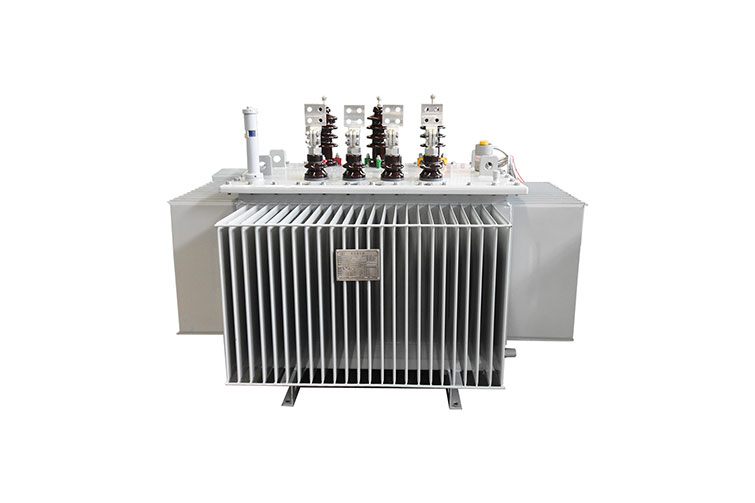
Oil immersed transformer: Immerse the iron core and coil in insulating oil
3. Classified by purpose
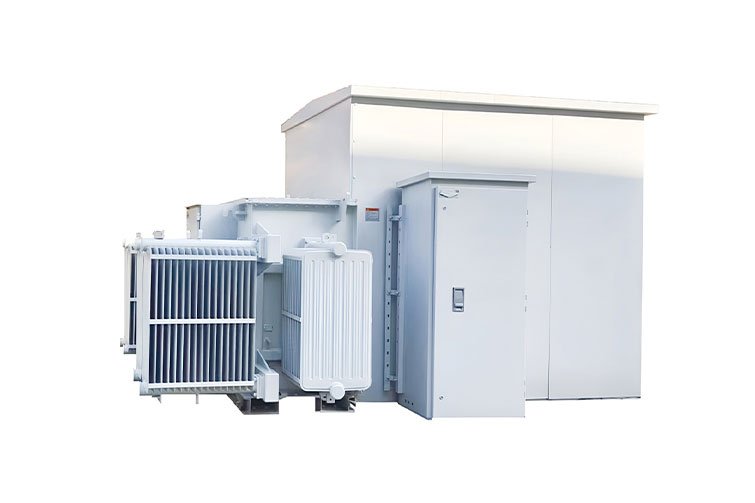
Power Transformer: Used for boosting and reducing voltage in power transmission and distribution systems
Distribution transformer: ultimately reducing the transmission voltage to a voltage level that users can use
Instrument transformer: used for measuring and protecting systems.
Isolation transformer: Its main purpose is electrical isolation
Autotransformer: With only one coil, commonly used for voltage regulation and motor starting.
Audio Transformer: Used for audio signal processing,
Pulse transformer: a transformer specifically used for transmitting pulse signals.
4. Classify by structure
Core transformer: The winding surrounds the core column.
Shell type transformer: The iron core surrounds the winding.
Understanding the classification and parameters of transformers can help you choose the most suitable transformer for your application.